⏱ 4 MIN READ
Your roof is the first line of defense of your home, and it only makes sense to wonder, how long does a roof last? It is dependent primarily upon the type of material, but our Northern Virginia climate is a major factor as well. Roofs here are hard at work all year, battling humidity in summer, heat storms and freezing weather in winter, and wind and rain in the fall. Having an idea of how long your roof should last will help you to plan ahead, budget for replacement, and not be caught off guard when your roof fails after the next big storm. What you can anticipate by material, what can reduce a roof’s lifespan and how to know when it’s coming to the end are explained here.
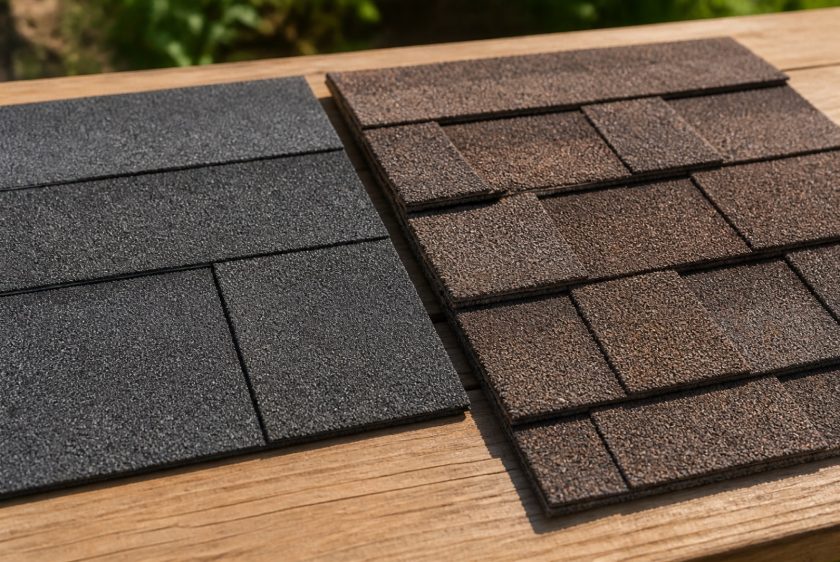
Well, how long is the life of a roof? This can be very different depending on the material:
The range of 25 to 30 years is the time that most homeowners in Northern Virginia can count on, as most homes are shingled with asphalt shingles and most newer roofs are shingled with architectural shingles. Industry references such as the InterNACHI life-expectancy chart line up closely with what we see in the field.
Two roofs of the same type can have vastly different lives. The biggest factors:
The roofing climate here is more challenging than in a mild climate. Shingles are baked by UV and heat during long humid summers. Strong thunderstorms can cause strong winds, hail, and rain that can rip or blow shingles. Freeze-thaw cycles follow in the winter, with water seeping into small cracks, freezing, expanding and eventually deteriorating both shingles and flashing. For this reason, a roof which may peak in a mild climate may end up closer to the middle here. This is the reason why the north facing side of a roof is often shaded and lasts many years longer than the south side, which is exposed to the sun.
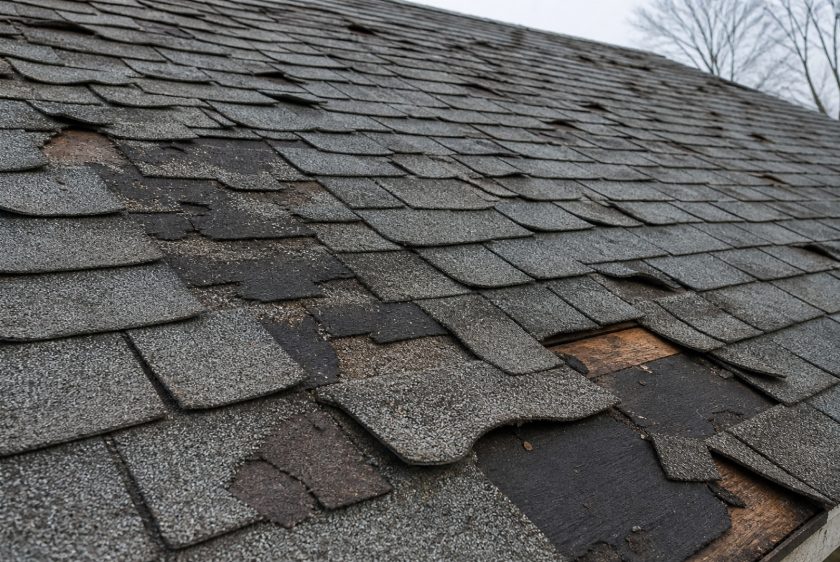
The number one word is age, but these are the real signs that your roof is nearing the end:
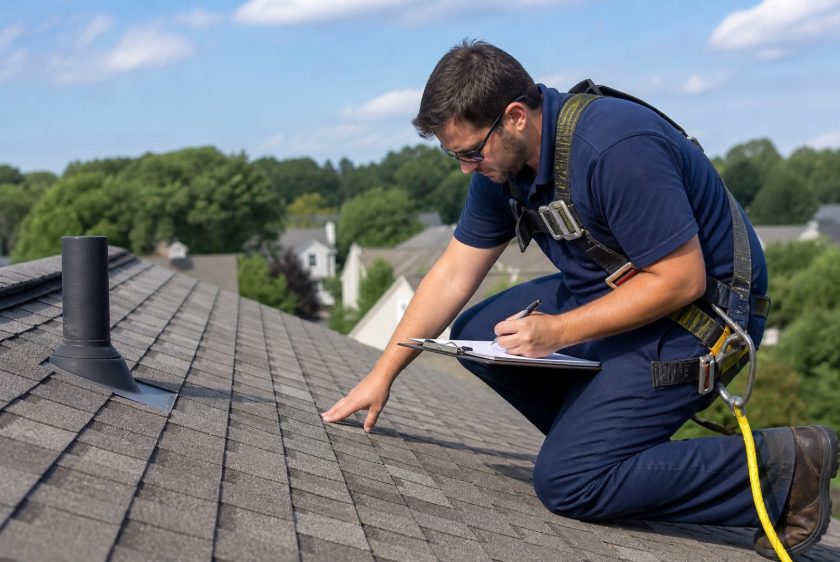
If you’re beginning to notice multiple of these, it’s time for the roof to be inspected before a minor leak turns into an interior leak.
There are a few habits you can cultivate to maximize your roof’s useful life: Clean gutters to ensure proper drainage, trim overhanging branches, maintain good attic ventilation, and promptly repair small issues to prevent them from worsening. A yearly inspection or post-storm inspection will detect small problems when they are still low cost to repair. If a roof does reach the end of its useful life, the clock is reset when the roof is replaced with quality roofing materials and proper ventilation, and all that lies beneath is protected.
Asphalt shingle roofs generally have a 15-30 year life expectancy, depending on the type of shingle, and architectural shingles may last for 25-30 years. Metal, slate and tile have a much longer life. The hot summers and freezing winters here frequently cause roofs to be in the middle of their range of performance.
Some signs to look for are curling or missing shingles, granules in the gutters, attic daylight or water stains, sagging and age (20 years or older). Professional inspection provides definite answer.
Slate and tile can last 50 to 100 years or more, while metal roofing often lasts for 40 to 70 years. Architectural shingles last longer than basic 3-tab shingles, among asphalt materials.
Yes. Cleaning gutters, maintaining adequate attic ventilation, trimming overhanging tree branches, and addressing minor issues promptly contribute to prolonging the lifespan of a roof.
The only way to determine the answer to “how long does a roof last” for your residence is to hire the services of a professional inspection. For over 30 years, Nations Choice Exteriors has served homeowners in Northern Virginia and, as a GAF-Certified, BBB A+ rated and Angi Super Service Award contractor, we will evaluate the state of your roof, tell you the truth about how many years you have left on your roof and only recommend repairs or replacement when it makes sense.
Please give us a call today at (571) 389-7500 or schedule your no cost roof inspection today.